

Top Costly Repairs You Can Avoid
Nobody likes the beeping sound of your card being charged for an expensive repair that you realize could have been avoided. Keeping your home in good repair and staying on a maintenance schedule is the best way to keep expensive repairs at bay. Fortunately, there are some easy things you can do to keep your home in tip-top shape! In this article, I’ll go over some of the top things that cause those service calls and how to avoid costly repairs.
Preventing Drain Clogs
Clogs are the top contender for plumbing issues. You can’t avoid them all, but there are some easy things that can help.
Use a fine mesh strainer
Over your drains in kitchen sinks, vanities, showers, and tubs. They have tiny holes to trap debris and sometimes have little ‘fingers’ that trap hair. Brush your hair before showering to reduce the amount of hair that comes out in the shower. For dogs, lay a washcloth over the drain, as their hair can be finer and harder for the screens to catch.
Run boiling water down drains
Every month or so, carefully pour boiling water down your drains (especially kitchen) to melt away any grease residue that debris can stick to.
Run hot water to clear trap
When you’re finished rinsing dishes, run hot water for 30 seconds or so to help prevent accumulation of debris in the trap.
Don’t pour grease down the drain
Grease can harden in your drain, creating a surface for hair and debris to begin a clog. Make a habit of putting grease in a zipper bag and throwing it in the trash or taking it to your local waste center. Also, if doing construction, do not clean out paintbrushes, rollers, or any cement or plaster products in the sink. These can harden and lead to a more expensive replacement.
Don’t put everything in the disposal
Food scraps – It seems like this is what a disposal is for, but there are certain things you shouldn’t put in there – starchy foods like potato peels, hard items like bones and large seeds, eggshells and other shells, and coffee grounds (they just cake together and clog). What to do? Hey, compost instead for your backyard regenerative organic garden!
Don’t flush foreign objects
Only toilet paper and human waste should be flushed down the toilet. Other products, even ‘flushable’ ones don’t break down properly and can clog your system.
Don’t use chemical drain cleaners
They can damage the finish on drains and any other metal they touch, and over time, even the drain pipes themselves, leading to more costly replacement. You should opt for enzyme or bacterial drain cleaners instead.
Tree roots in sewer lines
This one you can’t control, but trees look for water sources, and any tiny leak in an underground pipe is an entry point for roots. They can fill a pipe quickly, spanning several feet of clog. Get your sewer lines checked by a professional drain cleaning company.
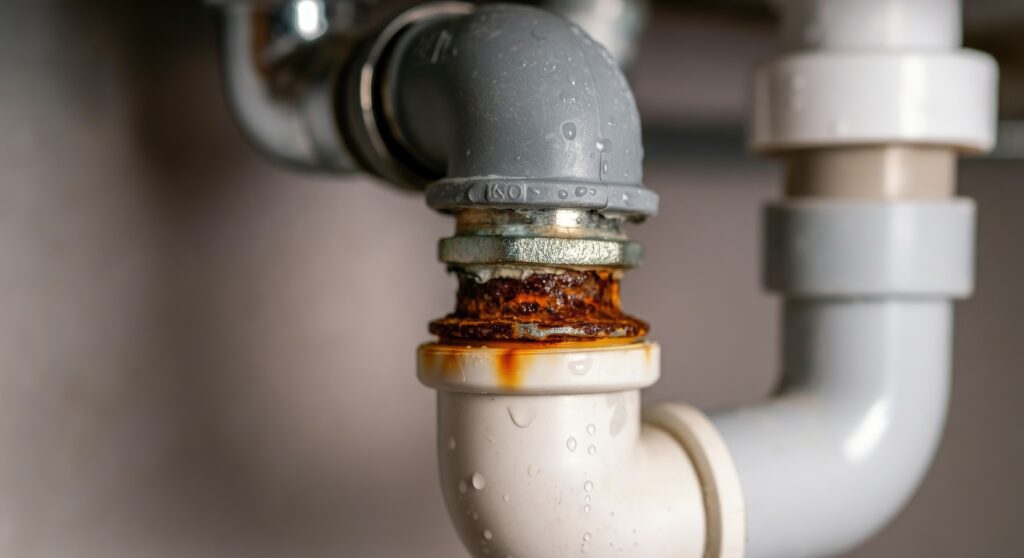
Avoid expensive repairs by stopping leaks before they start
A dripping faucet is annoying, but water dripping under your sink or under the floor can cause mold and structural damage! Keep an eagle eye on your pipes!
Don’t put off small repairs
The dripping faucet or constantly running toilet won’t get better by itself, and it’s costing you money. Get a handyman to check out seals, stems, and valves to keep everything running smoothly and leak-free.
Inspect pipes regularly for leaks
Take a look under that sink! Every month or so, just glance around inside your cabinets at the drains and supply lines to check for drips. Check around toilets for water or corrosion on valves and supply lines. If you can’t get into your crawlspace, hire a handyman to check for you.
Test your water pressure
You can get a pressure tester at the local home improvement store, or you can get a handyman to check it for you. Safe pressure is between 45 and 65 psi. If you’re reading over 80, you’re at risk of damaging your system. Install a pressure regulator on the main water line at the point where it enters the house.
Smart leak detection and water monitors
You can get Wi-Fi enabled monitors to set under sinks, around water heaters, toilets, and appliances. They will notify you if they sense any water. Also, you can have a whole house leak detector installed on your incoming water line that will shut off the whole house water if it detects a leak. This is extremely handy when you’re out of town, giving you peace of mind knowing you’re not coming home to a flood.
Check water quality
If you have mineral buildup around your faucets, yellowing of your sink, or dripping faucets, you have hard water. Installing a whole house water softener will eliminate the causes of mineral buildup and failing faucet seals. Also, consider having a reverse osmosis system installed at least in your kitchen where you get your drinking and cooking water, there are many toxins in our water that can contribute to poor health.
Seasonal checks
In the winter, make sure and pipes that are exposed in unconditioned areas are wrapped with foam insulation. Close your foundation vents to prevent freezing air blowing in your crawlspace. Open your cabinet doors and let the water drip on freezing nights. Remove outdoor hoses and protect the spigots with insulated covers. Make sure your irrigation system is disconnected and drained.
In the spring, check for damage by testing your outdoor spigots, and have your water heater flushed to get rid of sediment that can damage your fixtures.
Avoid fire hazards – check outlets and switches
Periodically check electrical outlets and switches for functionality. If an outlet or switch seems loose or makes the lights flicker – get it fixed or replaced immediately! Call a handyman to check it out today.
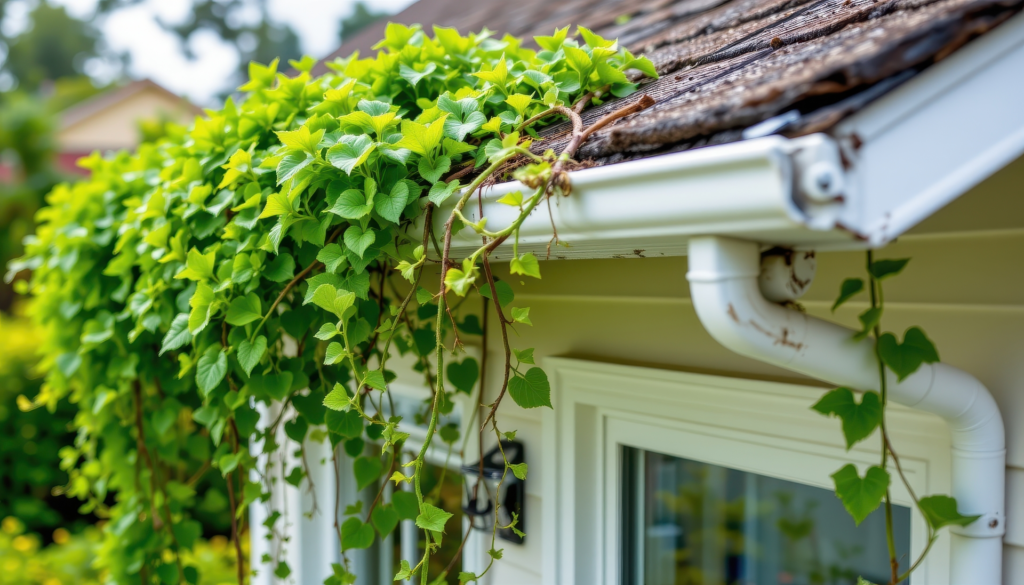
Keep up your regular maintenance
Paint
If you’re like me and want to avoid an expensive fix, don’t wait until your exterior trim starts to rot. Keep your exterior caulk and paint in great shape!
Your interior walls and trim may not need to be repainted. Try cleaning them gently with dish soap and water with a sponge. NO harsh chemicals or you will have to repaint sooner than you wanted. This goes for finished surfaces as well – furniture, dining tables, even floors need gentle cleaners.
Gutters
Keeping your gutters cleaned a couple times a year prevents damage to roof decking, fascia boards, and even foundation damage. Install downspout extenders to carry roof water well away from your foundation.
Smoke detectors
Test smoke detectors regularly and make sure the batteries are good. Even wired smoke detectors have backup batteries that need to be changed.
Appliances
Keeping appliances clean prevents rust and corrosion. Wipe down kitchen appliances after each use, and laundry appliances each week.
Dishwasher filter screen
Periodically take out the bottom arm and filter screen to clean the screen and ensure free drainage.
Run garbage disposal
Even if you don’t use your disposal regularly, turn the water on and run it once a week to keep it cleaned out. Many times this is what causes standing water in the bottom of your dishwasher. There is debris in the disposal and the dishwasher can’t drain properly.
Clean fridge coils
These can be hard to get to, but dirty refrigerator coils can cause poor cooling and ultimately shorten the life of your fridge. Use compressed air and vacuum to clear out that dirt!
HVAC filters
Always change HVAC filters at the appropriate times. A dirty filter puts strain on the system, starving it for air and causing malfunction.
HVAC cleaning and maintenance
Follow the recommended cleaning and maintenance schedule from your HVAC company to keep your system running smoothly.
Follow manufacturer’s guidelines on all appliances for optimal performance and longevity.
Wealth Stock photos by Vecteezy
Leaky Pipe Stock photos by Vecteezy
Gutter Cleaning Stock photos by Vecteezy